Skip to content

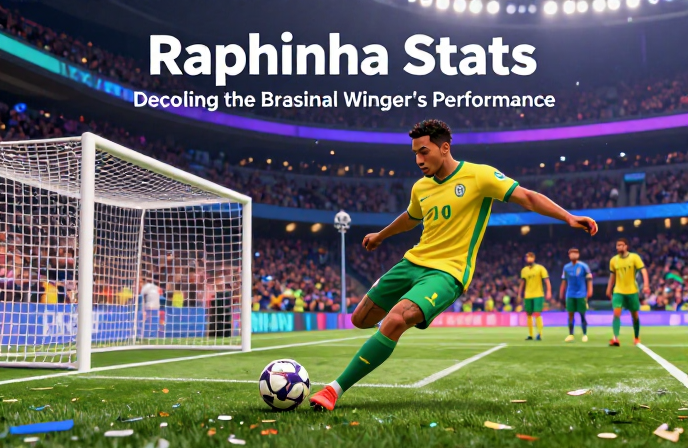
Raphinha Stats: A Deep Dive into Performance Metrics
Raphinha, the electrifying Brazilian winger, has captivated football fans with his dazzling skills and goal-scoring prowess. Understanding raphinha stats is crucial for appreciating his contributions to the teams he has played for, from his early days in Europe to his current role. This article provides a comprehensive analysis of his performance metrics, offering insights into his strengths, weaknesses, and overall impact on the field.
Early Career and Initial Stats
Before making a name for himself in Europe’s top leagues, Raphinha honed his skills in Portugal. His early raphinha stats reflect a player with immense potential. While playing for Vitória Guimarães and Sporting CP, he showcased his dribbling ability, vision, and knack for scoring goals. These formative years were crucial in shaping his playing style and preparing him for the challenges ahead.
During this period, his assist numbers began to stand out, highlighting his ability to create opportunities for his teammates. Opposition defenders quickly learned that allowing Raphinha space was a recipe for disaster.
Breakthrough at Rennes: A Statistical Leap
It was at Rennes in France’s Ligue 1 where raphinha stats truly began to capture the attention of a wider audience. His performances in France demonstrated his ability to adapt to a more demanding league. His pace, trickery, and eye for goal made him a constant threat to opposing defenses. During his time with Rennes, he improved his goal-scoring record and further refined his assist rate, becoming a key player for the team. His contributions were vital in helping Rennes secure European qualification.
Raphinha’s time in Ligue 1 not only boosted his profile but also provided him with invaluable experience playing against some of Europe’s top talents. This experience would prove crucial as he sought to further his career in one of the continent’s most competitive leagues.
Premier League Impact: Leeds United and Raphinha’s Numbers
His move to Leeds United marked a significant step in his career. The Premier League is renowned for its intensity and physicality, and raphinha stats from his time at Leeds demonstrate his ability to thrive in this environment. Under the guidance of Marcelo Bielsa, he became an integral part of the team. His performances were characterized by relentless work rate, creative flair, and a willingness to take on defenders. During his time at Elland Road, Raphinha scored crucial goals and provided numerous assists, quickly becoming a fan favorite.
Beyond the traditional goals and assists, raphinha stats at Leeds also highlighted his defensive contributions. He consistently tracked back to help his teammates, showcasing his commitment to the team’s cause. His energy and determination were infectious, and he quickly became a leader on the field. His ability to win back possession and launch counter-attacks made him a valuable asset to the team.
His time in the Premier League significantly enhanced his reputation, proving that he could perform at the highest level. Many analysts noted his improving decision-making in the final third, leading to higher conversion rates.
Barcelona and La Liga: Analyzing Raphinha’s Statistics
The move to Barcelona was the culmination of his impressive performances. Playing for one of the world’s biggest clubs comes with immense pressure, and analyzing raphinha stats at Barcelona provides insights into his ability to handle this challenge. Raphinha joined a team with a rich history and a demanding fanbase, and he quickly set about proving his worth. His performances in La Liga have been closely scrutinized, with fans and pundits alike eager to see how he adapts to the Barcelona style of play.
Adjusting to a new league and a new team takes time, and his initial raphinha stats at Barcelona reflected this adaptation period. However, as he became more integrated into the team, his performances improved. His dribbling, passing, and shooting skills have all been on display, and he has shown a willingness to work hard for the team. His ability to play on either wing provides the coach with tactical flexibility, and he has also demonstrated his versatility by playing in different attacking positions.
Understanding raphinha stats at Barcelona requires considering the team’s overall dynamics. Barcelona’s style of play emphasizes possession and intricate passing, and Raphinha has had to adapt his game to fit into this system. His ability to link up with his teammates and create scoring opportunities has been crucial, and his work rate and defensive contributions have also been valued by the coaching staff.
Keep abreast of the la liga standings to see how Raphinha’s contributions affect the team’s position.
Key Performance Indicators: What the Numbers Tell Us
To truly understand raphinha stats, it’s important to look beyond the traditional metrics of goals and assists. Key Performance Indicators (KPIs) provide a more nuanced view of his performance. These include metrics such as:
- Pass Completion Rate: This measures the accuracy of his passes, indicating his ability to retain possession and link up with teammates.
- Dribbles Completed: This highlights his ability to beat defenders and create space for himself and his teammates.
- Shots on Target: This reflects his accuracy in front of goal and his ability to test the opposition goalkeeper.
- Chances Created: This measures his ability to create scoring opportunities for his teammates through passes and crosses.
- Defensive Actions: This includes tackles, interceptions, and clearances, highlighting his contribution to the team’s defensive efforts.
By analyzing these KPIs, we can gain a deeper understanding of Raphinha’s strengths and weaknesses. For example, a high dribbles completed rate indicates his ability to take on defenders, while a high pass completion rate suggests his ability to contribute to the team’s possession-based style of play.
Comparing Raphinha Stats to Other Wingers
To put raphinha stats into context, it’s helpful to compare them to those of other top wingers in the world. This allows us to see where he excels and where he could improve. When comparing his stats, it’s important to consider the different leagues and playing styles. For example, the Premier League is known for its physicality, while La Liga emphasizes technical skill. Therefore, a winger who thrives in one league may not necessarily perform as well in another.
Factors to consider when comparing raphinha stats include:
- Goal-Scoring Record: How many goals does he score per game or per season?
- Assist Rate: How many assists does he provide per game or per season?
- Dribbling Success: How often does he successfully complete dribbles?
- Chance Creation: How many scoring opportunities does he create for his teammates?
- Defensive Contribution: How often does he contribute to the team’s defensive efforts?
By comparing these metrics, we can gain a better understanding of Raphinha’s strengths and weaknesses relative to his peers. This can help us to assess his overall value to the team and his potential for future improvement.
The Future of Raphinha: Projecting His Statistical Trajectory
As Raphinha continues to develop and mature as a player, it will be interesting to project his future statistical trajectory. Several factors will influence his performance, including his fitness, his tactical role within the team, and the quality of his teammates. As he gains more experience, we can expect him to become even more consistent and efficient in his play. His decision-making in the final third should improve, leading to a higher conversion rate. His ability to create scoring opportunities for his teammates should also continue to develop.
Ultimately, the future of raphinha stats depends on his continued dedication and hard work. If he remains focused and committed, he has the potential to become one of the best wingers in the world. His talent, combined with his relentless work ethic, makes him a valuable asset to any team. Fans and analysts alike will be eagerly watching his progress in the years to come.
Analyzing Raphinha’s Season-by-Season Performance
A year-by-year examination of raphinha stats reveals a clear pattern of growth and development. Each season has brought new challenges and opportunities, and he has consistently risen to the occasion. Tracking his progress over time allows us to identify key turning points in his career and to appreciate the hard work and dedication that have gone into his success. From his early days in Portugal to his current role at Barcelona, he has shown a remarkable ability to adapt and improve. His commitment to continuous improvement is a testament to his character and his desire to reach the pinnacle of the sport.
By analyzing his season-by-season performance, we can gain a deeper understanding of his strengths and weaknesses. This can help us to identify areas where he has improved and areas where he could still develop. It also allows us to appreciate the challenges he has faced and the obstacles he has overcome. His journey to the top has not been easy, but he has shown the resilience and determination to succeed.
The Impact of Tactical Systems on Raphinha’s Numbers
The tactical system employed by a team can have a significant impact on raphinha stats. Different systems require different skill sets, and a player’s performance can be influenced by the roles and responsibilities assigned to him. Some systems emphasize attacking play, while others prioritize defensive solidity. Some systems require wingers to hug the touchline, while others allow them to roam freely. Understanding how a player’s stats are affected by the tactical system is crucial for accurately assessing their performance.
For example, a winger who plays in a system that emphasizes quick transitions and counter-attacks may have a higher dribbling success rate than a winger who plays in a system that prioritizes possession and intricate passing. Similarly, a winger who is given the freedom to roam may have a higher chance creation rate than a winger who is required to stick to the touchline. Therefore, it’s important to consider the tactical context when analyzing raphinha stats.
Raphinha Stats: A Summary
In conclusion, analyzing raphinha stats provides valuable insights into his performance and his contributions to the teams he has played for. From his early days in Portugal to his current role at Barcelona, he has consistently demonstrated his talent, his work ethic, and his ability to adapt to different leagues and playing styles. By looking beyond the traditional metrics of goals and assists, we can gain a deeper understanding of his strengths and weaknesses and appreciate his overall impact on the field.
FAQ
What are the key stats to look for when evaluating Raphinha’s performance?
Key stats include goals, assists, pass completion rate, dribbles completed, shots on target, chances created, and defensive actions. These metrics provide a comprehensive view of his attacking and defensive contributions.
How do Raphinha stats compare to other top wingers in Europe?
Comparing his stats to other top wingers reveals his strengths in dribbling and chance creation. Analyzing goal-scoring records and assist rates provides further context.
What factors might influence Raphinha’s future statistical performance?
Factors include his fitness, tactical role within the team, and the quality of his teammates. Continued development and adaptation to new systems will also play a crucial role.